

A slow kitchen sink can feel like a small annoyance until water starts pooling around your feet in the shower, the toilet gurgles, or wastewater backs up where it does not belong. A professional drain cleaning service does more than get water moving again. It helps identify why the blockage happened, clear it safely, and reduce the chance of another disruption a few days or weeks later.
For homeowners, the right response depends on the location, severity, and history of the drain problem. A single sink with a minor slowdown may have a simple cause. Multiple slow drains, recurring backups, or sewage odors require a closer look. Waiting too long can turn a manageable clog into water damage, an unsanitary cleanup, or a more expensive sewer repair.
Signs You Need a Drain Cleaning Service
The clearest sign is a drain that will not empty, but serious problems often begin with less obvious warnings. Pay attention when water drains slowly in the same fixture after basic cleaning, when a toilet bubbles as another fixture drains, or when you hear gurgling from pipes behind walls or under floors. Those sounds can mean air is being forced around a blockage instead of moving normally through the plumbing system.
A bad odor is another reason to act. Food residue, grease, soap buildup, hair, and standing wastewater can create odors near a sink, tub, shower, or floor drain. In some cases, an odor may point to a dry trap or venting issue rather than a clog. That is why an accurate diagnosis matters before anyone treats the symptom alone.
Call for professional help promptly when more than one drain is affected. A slow shower plus a gurgling toilet, for example, can indicate a blockage farther down the branch line or in the main sewer line. If wastewater comes back through a tub, shower, floor drain, or toilet, stop running water in the home and arrange service. Adding more water can make the backup worse.
What Causes Stubborn Drain Clogs?
Most drain problems build gradually. In bathrooms, hair combines with soap residue and personal-care products to form a sticky blockage. In kitchens, cooking grease may seem liquid when it goes down the sink, but it cools and clings to pipe walls. Coffee grounds, food scraps, rice, pasta, and fibrous vegetables can add to the buildup, especially when a garbage disposal is asked to handle more than it should.
Some clogs are not caused by daily habits. Older pipes can develop rough interior surfaces that catch debris. Pipe sections may sag, shift, crack, or become misaligned over time. Outside, tree roots can find their way into small openings in a sewer line and expand inside the pipe. These conditions can cause repeated stoppages even when everyone in the household is careful about what goes down the drain.
A recurring clog is not a problem to keep resetting with a plunger or chemical product. Repetition is useful information. It often means there is a deeper restriction, a damaged section of pipe, or a main-line issue that needs to be located.
Why Professional Cleaning Is Different
Store-bought drain chemicals promise a fast fix, but they can be a poor match for many homes. Strong chemical cleaners may not reach the full blockage, particularly when the clog is farther down the line. They can also sit in a pipe, create harmful fumes, and potentially damage certain plumbing materials when used repeatedly. Never mix drain-cleaning chemicals or add another product after one fails to work.
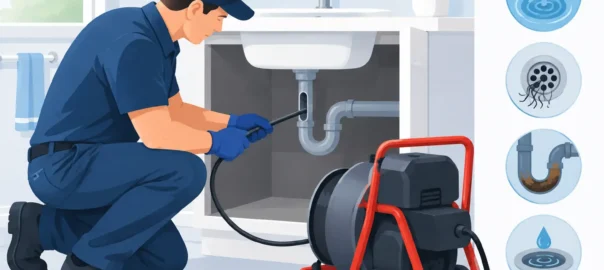
Professional drain cleaning begins with determining where the problem is. A trained technician may use the appropriate cable machine to remove a localized blockage or use high-pressure water cleaning for heavy buildup in suitable lines. The best method depends on the pipe material, the drain location, the nature of the obstruction, and the condition of the plumbing.
For recurring or hard-to-explain backups, a camera inspection can provide answers that guesswork cannot. A small camera sent through the line can show grease accumulation, root intrusion, breaks, offsets, or other issues inside the pipe. Visual verification helps separate a simple cleaning need from a repair or replacement decision. It also gives homeowners clearer information about what they are paying to fix.
At Empire Care, the goal is to solve the actual plumbing problem, not simply make the symptom disappear long enough to leave the driveway. That means explaining what was found, what cleaning can reasonably accomplish, and whether the line needs additional repair attention.
What to Expect During Drain Cleaning Service
A dependable visit should start with questions about the issue: which fixtures are affected, when the trouble began, whether it has happened before, and whether anything recently went down the drain. This history can help narrow the cause before work starts.
The technician should then test the affected fixtures and assess the line. If the problem appears localized, cleaning may be straightforward. If several fixtures are involved, the technician may inspect a cleanout access point or recommend a camera examination of the sewer line. Homeowners should expect clear communication before major work begins, including the likely cause and the recommended path forward.
Once the drain is cleared, testing matters. Water should be run through the fixture to confirm normal flow and check for remaining signs of a restriction. When a camera is used, post-cleaning footage can help verify that buildup or roots were removed to the extent possible and reveal any pipe condition that cleaning alone cannot correct.
There is a practical trade-off here. A basic clearing may restore use quickly at a lower immediate cost, while deeper cleaning or camera inspection can provide more certainty about repeat problems. For a first-time minor clog, a simple solution may be enough. For a line that has backed up twice in six months, investing in diagnosis can prevent another emergency and protect the home from a bigger mess.
How to Protect Drains Between Service Visits
Good drain habits will not fix damaged pipes or tree roots, but they can limit common buildup. Keep grease, oil, and fat out of kitchen sinks. Let them cool in a container and dispose of them in the trash. Use sink strainers to catch food particles and hair, and empty them regularly.
In bathrooms, remove visible hair from shower and tub drains before it gets pulled farther into the line. Flush only toilet paper and human waste. Wipes labeled flushable, cotton products, paper towels, dental floss, and hygiene products do not belong in the toilet. They can catch in pipes and contribute to a blockage long after they are out of sight.
Avoid treating every slow drain with chemical cleaner. If a plunger does not improve a minor localized clog, or the same fixture keeps slowing down, schedule an inspection instead. Early service is usually cleaner, faster, and less stressful than dealing with a full backup.
When Drain Trouble Becomes an Urgent Plumbing Issue
Some situations should not wait for a convenient appointment. Sewage backing up into the home, water spreading from a floor drain, or a toilet overflowing repeatedly can create sanitation concerns and damage flooring, walls, and belongings. Keep children and pets away from contaminated water, avoid using sinks, toilets, showers, dishwashers, and washing machines, and contact a qualified plumbing professional.
Commercial properties face a similar concern, often with greater operational impact. A clogged restroom line, break-room sink, or floor drain can disrupt employees and customers quickly. Prompt diagnosis helps property managers address the immediate issue while planning for any needed line repair with less disruption to the workplace.
Your drains work quietly when everything is moving as it should. When they start sending warnings, trust those signs. A timely professional assessment can protect your home, your schedule, and your peace of mind before a slow drain becomes a backup no one wants to manage.