

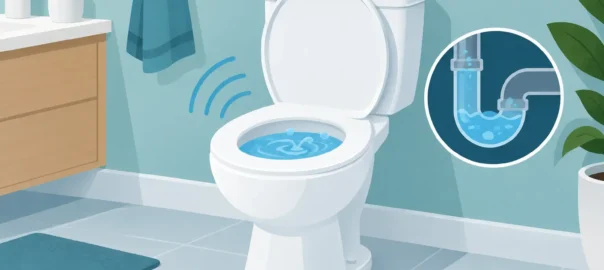
A toilet that burps, bubbles, or makes a gulping sound after flushing is trying to tell you something. If you are asking, why is my toilet gurgling, the short answer is that air is moving through your plumbing when it should not be. The sound may come from a minor blockage near the toilet, but it can also be an early warning that a drain line, plumbing vent, or main sewer line needs attention.
The key is knowing whether you are dealing with one slow fixture or a problem affecting the home’s drainage system. Addressing the cause early can help prevent an unpleasant backup, water damage, and a much more stressful repair call.
Why Is My Toilet Gurgling After I Flush?
Your home’s drain system needs two things to work correctly: a clear path for wastewater to leave and enough air pressure to keep that water moving. Plumbing vents, which typically run through the roof, supply that air. When a drain or vent is restricted, water can pull or push air through the toilet trap instead. That is the gurgle you hear.
A single gurgle after an unusually large flush does not always mean an emergency. Repeated noises, bubbling water in the bowl, slow draining, or sounds that occur when another fixture runs are different. Those symptoms usually point to a developing obstruction or venting issue, not a toilet that is simply being noisy.
A partial clog in the toilet or nearby drain
A blockage in the toilet trap or the drain line immediately beyond it is one of the most common causes. Toilet paper buildup, wipes labeled “flushable,” paper towels, small toys, hygiene products, and other objects can partially obstruct the pipe. Water gets past the restriction, but air gets displaced unevenly, creating bubbling or gurgling.
You may notice that the toilet flushes, but not with its usual force. The bowl water might rise before slowly dropping, or the toilet may need a second flush. When the problem is limited to that one bathroom fixture, a local blockage is more likely than a main sewer issue.
A clogged plumbing vent
A vent pipe can become blocked by leaves, nesting material, debris, or, in some climates, ice. Without proper venting, the drain system struggles to equalize pressure. The toilet may gurgle when flushed, or it may make noise when a sink, shower, washing machine, or dishwasher drains.
Vent problems are easy to overlook because nothing may be visibly clogged inside the bathroom. They also should be diagnosed carefully. Climbing onto a roof or attempting to clear a vent without the right equipment creates a fall risk and may not resolve the actual restriction.
A blockage in the main sewer line
When more than one fixture is involved, the main sewer line becomes a serious possibility. This is the pipe that carries wastewater from the home to the municipal sewer connection or septic system. Grease buildup, settled debris, damaged pipe, tree root intrusion, or a sagging line can reduce the pipe’s capacity over time.
A main-line blockage often shows up first at the lowest fixture in the home. For many houses, that is a first-floor toilet, basement shower, floor drain, or laundry drain. You may hear the toilet gurgle when the washing machine empties or see water move in the toilet bowl when a nearby tub drains. Those are signs that wastewater may be looking for another place to go.
A septic system problem
For homes with septic systems, gurgling can mean the tank is overdue for pumping, the outlet filter is restricted, or the drain field is not accepting wastewater properly. The symptoms can resemble a sewer-line clog: slow drains, gurgling fixtures, sewage odors, or backups at low points in the home.
A plunger will not fix a full septic tank or a drain-field failure. Continuing to send large amounts of water down the drains can make the situation worse, so reduce water use and arrange an inspection.
Signs a Gurgling Toilet Needs Fast Attention
A gurgle is not always a crisis, but certain combinations of symptoms deserve a prompt professional response. Stop using the affected fixtures and arrange service if you notice any of the following:
- Water or sewage backing up into a tub, shower, floor drain, or basement fixture.
- More than one sink, toilet, or tub draining slowly at the same time.
- Toilet water rising close to the rim, overflowing, or repeatedly bubbling without being flushed.
- Sewage odors indoors or wet, foul-smelling areas near drains or outside sewer cleanouts.
- Gurgling that starts whenever a washing machine, dishwasher, shower, or another toilet drains.
A sewer backup can expose your household to contaminated water, so avoid contact with it. Keep children and pets away from the area, and do not run the dishwasher, washing machine, or additional showers until the cause is identified.
What You Can Safely Try Before Calling a Plumber
If the toilet is the only affected fixture and there is no backup, start with a few simple checks. First, flush once and watch how the water behaves. A slow swirl, weak flush, or rising bowl water supports the possibility of a local toilet clog.
Use a flange-style toilet plunger, not a flat sink plunger. Make sure there is enough water in the bowl to cover the plunger cup, create a tight seal, and use steady pushes and pulls for about 15 to 20 seconds. Then wait a moment and test with one flush. Avoid repeated flushing if the water level rises.
If plunging does not help, a toilet auger may reach an object lodged in the toilet’s built-in trap. Use it gently to avoid scratching porcelain. If you pull out a foreign object and the toilet returns to normal, monitor it over the next day for recurring sounds or slow drainage.
Do not pour chemical drain cleaners into a gurgling toilet. These products often fail against solid obstructions, can damage older pipes or seals, and may leave caustic liquid in the bowl for the next person who works on the drain. Avoid trying to clear a main line through a roof vent as well. A professional drain inspection is safer and more reliable.
How a Professional Finds the Real Cause
The right repair starts with locating the restriction rather than guessing. A trained plumber will ask which fixtures are affected, inspect the toilet and nearby drains, and check accessible cleanouts. If a deeper blockage is suspected, drain-cleaning equipment can clear the line while a sewer camera provides visual verification of what is inside.
Camera inspection is especially useful when a blockage keeps returning. It can reveal roots, cracked or offset pipe sections, heavy buildup, or a low section of pipe that holds waste. That distinction matters because clearing roots may restore flow for now, while a broken or sagging pipe may require a longer-term repair.
At Empire Care, the goal is to identify the real source of the problem, explain the findings clearly, and recommend the repair that protects your home rather than applying a temporary fix without answers.
Can You Prevent Toilet Gurgling?
Some causes cannot be prevented entirely, particularly aging sewer pipes or intrusive tree roots. Still, daily habits make a meaningful difference. Toilets are designed for human waste and toilet paper only. Wipes, even those marketed as flushable, do not break down like toilet paper and are a frequent cause of drain restrictions.
Keep grease, food scraps, and coffee grounds out of kitchen drains, since they can contribute to main-line buildup farther downstream. If your home has mature trees near the sewer route or a history of recurring drain problems, preventive drain maintenance and periodic camera inspections may be worth considering. For septic homes, stay on a regular pumping schedule based on household size and tank capacity.
A gurgling toilet is often the first audible sign that your plumbing needs help. Pay attention before the sound becomes a backup, use the toilet sparingly if other drains are involved, and have the system checked when the noise does not quickly resolve.