

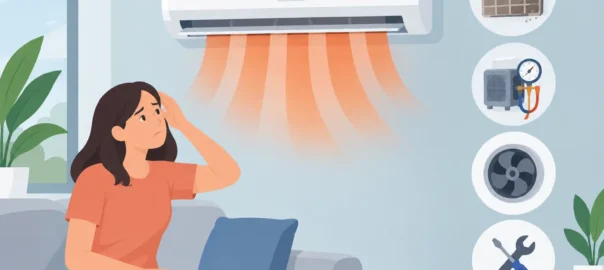
When the thermostat is set to cool but the vents are pushing hot or room-temperature air, comfort can disappear fast. If you are asking, why is AC blowing warm air, the answer may be as simple as a thermostat setting or as urgent as a failed component. The key is knowing what you can safely check and when to call for professional help before a small issue turns into a major repair.
Start With the Simple Checks
Before assuming your air conditioner has failed, check the thermostat. Make sure it is set to Cool, not Heat, Fan, or Auto with an incorrect temperature setting. Set the temperature at least 3 to 5 degrees below the current indoor temperature, then give the system several minutes to respond.
Next, check the fan setting. When the thermostat fan is set to On, the blower runs continuously, even when the outdoor AC system is not actively cooling. That can make it seem like the AC is blowing warm air between cooling cycles. Set the fan to Auto so it runs only when the system is calling for cooling.
Also look at your electrical panel. A tripped breaker may shut off the outdoor condenser while the indoor blower continues running. The result is air coming through the vents with no cooling behind it. If a breaker has tripped, reset it once. If it trips again, leave it off and schedule service. Repeated breaker trips can point to an electrical issue, a failing motor, or an overloaded system.
Why Is AC Blowing Warm Air? Common Causes
Your central air conditioner does not create cold air. It moves heat out of your home through a closed refrigerant system. When any part of that process is interrupted, warm air can be the first warning sign.
A dirty or blocked air filter
A clogged filter restricts airflow. Your system has to work harder to pull air across the indoor evaporator coil, and that coil can become so cold that it freezes. Once ice blocks the coil, airflow and cooling performance drop sharply.
Check the filter monthly during heavy-use seasons. If it looks gray, packed with dust, or visibly blocked, replace it with the correct size and type. A clean filter is one of the most affordable ways to protect efficiency, comfort, and equipment life.
A frozen evaporator coil
Ice on the indoor coil may be caused by poor airflow, low refrigerant, or a mechanical problem. You might notice weak airflow, water around the indoor unit, ice on the refrigerant line, or cooling that gets worse as the day goes on.
Turn the cooling mode off, but leave the fan set to On to help thaw the coil. Do not chip ice away or keep forcing the system to run. Once it has thawed, a technician should identify the reason it froze. Restarting a frozen AC without correcting the cause can damage the compressor.
Low refrigerant from a leak
Refrigerant is not a fuel that your AC regularly uses up. If the level is low, there is usually a leak that needs to be found and repaired. Low refrigerant can prevent the system from absorbing enough heat indoors, leaving you with warm air, longer run times, frozen coils, or unusually high energy bills.
Adding refrigerant without addressing the leak is not a lasting repair. A qualified HVAC technician should test the system, locate the source of the leak, explain the repair options, and recharge it to the manufacturer’s specifications.
A dirty outdoor condenser unit
The outdoor condenser releases the heat collected from inside your home. When its coil is coated in dirt, grass clippings, leaves, or cottonwood, heat cannot escape efficiently. The system may blow warmer air, run constantly, or shut down on a safety limit.
You can safely remove loose debris around the outdoor unit and keep at least 2 feet of open space around it. Do not use a pressure washer or bend the delicate coil fins. If the unit is heavily soiled, professional cleaning is the safer choice.
A failed capacitor, contactor, or compressor
Your outdoor unit relies on electrical components to start and operate. A capacitor helps motors start, while a contactor controls power to the condenser. If either fails, you may hear humming, clicking, or nothing at all outside while the indoor blower still runs.
A compressor problem is more serious because the compressor is the heart of the cooling system. Repair decisions depend on the system’s age, warranty coverage, refrigerant type, and the overall condition of the equipment. A good diagnosis should give you clear options, not pressure you into replacing a system before the cause is confirmed.
A thermostat or control problem
Sometimes the AC itself is capable of cooling, but it is not receiving the correct signal. Dead thermostat batteries, loose wiring, faulty sensors, or a malfunctioning control board can all interrupt the cooling call.
If your thermostat screen is blank, replace the batteries if applicable. If the display works but the system does not respond correctly, avoid removing the thermostat or handling low-voltage wiring unless you are trained to do so. Electrical troubleshooting is best left to a technician who can test the controls safely.
Leaky ducts or insulation problems
If the air at the indoor unit is cold but certain rooms feel warm, the issue may be in the ductwork rather than the AC equipment. Leaky, disconnected, crushed, or poorly insulated ducts can lose cooled air in an attic, crawl space, or wall cavity before it reaches the room.
This problem often shows up as uneven temperatures, weak airflow at select vents, dusty rooms, and higher utility costs. Duct repairs and airflow balancing can make a meaningful difference, particularly in older homes or after renovations.
What You Can Do Right Now
A few basic observations can help speed up a professional diagnosis. Check that the thermostat is on Cool and the fan is on Auto. Replace a dirty filter. Confirm the outdoor unit has power and is free of loose debris. Then listen and look without touching equipment: Is the outdoor unit running? Is there ice on the refrigerant line? Is airflow weak from every vent or only in one area?
Avoid opening electrical panels, removing access covers, or trying to recharge refrigerant yourself. Refrigerant work requires specialized equipment and training, and HVAC electrical components can retain dangerous voltage even after the system is turned off.
If the AC is blowing warm air during extreme heat, close blinds on sunny windows, use ceiling fans, and limit heat-producing appliances while you arrange service. These steps will not fix the system, but they can reduce the strain on your home and help your family stay more comfortable.
When Warm Air Is an Urgent Problem
Schedule HVAC service promptly if the breaker keeps tripping, the system makes grinding or loud buzzing sounds, you smell burning, or you see water pooling around the indoor unit. Turn the system off immediately if you smell electrical burning or see smoke.
Warm air also deserves quick attention when the system runs all day without improving the temperature. Continuing to operate a struggling unit can increase energy costs and put added stress on expensive components. For businesses, a cooling problem can affect employees, customers, equipment, and day-to-day operations, so early diagnosis matters even more.
Repair or Replace: It Depends on the Diagnosis
Not every warm-air call leads to a replacement. A thermostat issue, capacitor, contactor, clogged drain, dirty coil, or refrigerant leak repair may be a practical way to restore dependable cooling. On the other hand, replacement may make more financial sense when an older system has a major compressor failure, uses obsolete refrigerant, needs frequent repairs, or cannot keep up with your home’s cooling needs.
The right choice depends on the full picture: repair cost, system age, efficiency, condition of the ductwork, warranty status, and how reliably the equipment has served your household. Empire Care technicians focus on identifying the real problem first, so you can make a decision with a clear understanding of your options.
A warm vent is your AC asking for attention. Start with the safe checks, turn the system off if you see ice or electrical warning signs, and arrange a professional diagnosis before the next hot day turns a manageable repair into a comfort emergency.