

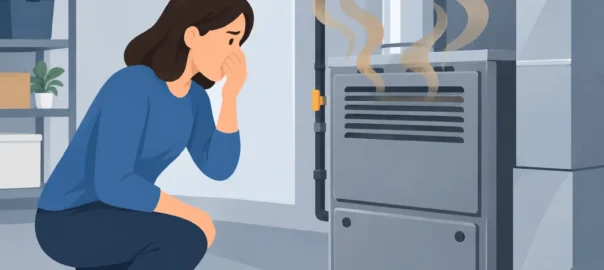
A burning smell from the furnace can turn a routine heating cycle into a real concern fast. If you are wondering what to do when furnace smells burning, start by paying attention to the type of odor, how long it lasts, and whether you notice smoke, unusual sounds, or changes in how your home feels. Some smells are temporary. Others are a clear signal to shut the system down and call for help.
Your furnace is responsible for keeping your home safe and comfortable during cold weather. When something does not smell right, it is better to act cautiously than to hope the problem goes away on its own.
First, Decide Whether You Need to Shut the Furnace Off
A brief dusty or slightly burning odor can be normal when you turn on the heat for the first time in months. Dust settles on internal components and in the ductwork during the off-season. When the furnace heats up, that dust burns away. The smell should usually fade after one or two heating cycles.
If the odor is strong, gets worse, returns every time the furnace runs, or comes with visible smoke, shut the furnace off at the thermostat. If you can do so safely, turn off power to the furnace at its service switch or circuit breaker as well. Do not keep restarting the system to see whether the smell clears.
Leave the home and call 911 or your gas utility immediately if you smell rotten eggs or sulfur. Natural gas is odorized to make leaks easier to detect. Do not operate light switches, appliances, lighters, or phones inside the home if you suspect a gas leak.
What a Burning Furnace Smell May Mean
The smell itself often provides useful clues. It cannot replace a professional diagnosis, but it can help you explain the situation clearly when you request service.
Dust or a Mild Musty Burning Smell
This is the most common first-use odor. It is usually caused by dust on the heat exchanger, burners, or other warm furnace surfaces. Open a window briefly if needed, replace a dirty air filter, and monitor the system. If the odor disappears quickly and does not return, the furnace may be operating normally.
A dusty smell that lingers for more than a day deserves a closer look. Heavy dirt buildup, a clogged filter, or debris in the ductwork can make your system work harder and reduce indoor air quality.
Burning Plastic, Rubber, or Electrical Odors
A sharp smell like melting plastic, hot rubber, or burning wires is not a smell to ignore. It can point to an overheating blower motor, damaged electrical wiring, a failed capacitor, a slipping belt on an older system, or an object that has come into contact with a hot component.
Turn the furnace off and arrange for a qualified HVAC technician to inspect it. Electrical problems can worsen quickly, and continued operation can damage the furnace or create a fire risk.
Burning Oil or Smoke
Visible smoke, an oily burning odor, or a strong smoky smell calls for immediate action. Shut the system down. If there is active smoke or fire, leave the house and call 911. If there is no active fire but the odor remains, do not run the furnace again until a technician has inspected it.
In some cases, smoke may come from a clogged filter that has restricted airflow and caused components to overheat. It may also be caused by motor failure, wiring damage, or a problem inside the burner assembly. The cause matters, which is why a proper inspection is safer than a guess.
A Chemical or Formaldehyde-Like Smell
A new furnace may produce a temporary chemical odor as manufacturing oils and protective coatings heat up for the first few cycles. This should fade relatively quickly. If a chemical odor is strong, causes headaches or throat irritation, or continues after several uses, turn off the system and have it evaluated.
Older furnaces can also develop odors when electrical insulation, internal materials, or wiring begins to overheat. The age of the equipment and the exact smell both affect the next step.
What to Do When Furnace Smells Burning: Safe Steps at Home
Once you have ruled out an immediate gas-leak or fire emergency, take a few safe, practical steps. Do not remove furnace panels, handle wiring, or attempt to repair burners or motors yourself.
Start by checking the thermostat. Turn the heat setting off and wait for the furnace to stop running. Then look around the furnace area without touching hot equipment. Remove boxes, paper, paint cans, laundry supplies, and other stored items that are too close to the unit. Furnaces need clear space for safe operation and service access.
Next, inspect the air filter. A filter that looks gray, packed with dust, or bowed inward may be restricting airflow. Replace it with the correct size and type for your system. Do not run the furnace without a filter, and do not stack filters to try to catch more dust. Both choices can create airflow problems.
Check your supply and return vents throughout the home. Furniture, rugs, and closed vents can restrict airflow, which can contribute to overheating. Open the vents that have been closed and move obstructions away from returns. This will not fix a failed component, but it can eliminate a common source of strain.
Finally, make note of what happened. Record when the smell began, whether it occurs at startup or throughout the heating cycle, whether smoke is visible, and whether you hear rattling, squealing, buzzing, or banging. Those details help a technician diagnose the issue more efficiently.
When a Burning Smell Is an Urgent Repair Call
Call for professional furnace service promptly when the smell is not clearly related to first-use dust. The same applies if the odor keeps returning after you replace the filter and clear the area around the equipment.
You should also request service if your furnace is short-cycling, blowing cool air, tripping a breaker, making new noises, or setting off a carbon monoxide detector. Carbon monoxide has no smell, so never use your sense of smell as proof that combustion equipment is safe. If a carbon monoxide alarm sounds, get everyone outside, call 911 or emergency services, and do not reenter until authorities say it is safe.
A trained technician can inspect the blower assembly, electrical connections, burners, heat exchanger, venting, safety switches, and airflow. This is where professional diagnosis protects both your comfort and your repair budget. Replacing a filter is simple. Diagnosing why a motor is overheating or why a safety limit is tripping requires the right tools and experience.
Prevent the Next Furnace Odor Before It Starts
Many furnace smells are avoidable with routine maintenance. Change filters on schedule based on the filter type, household conditions, pets, and system use. A home with shedding pets or ongoing renovation dust may need more frequent filter changes than a home with lighter use.
Schedule annual heating maintenance before the coldest part of the season whenever possible. A professional tune-up can identify loose electrical connections, worn motors, dirty burners, airflow restrictions, and venting concerns before they become an inconvenient breakdown.
Keep the furnace area clean and clear year-round. Avoid using the space as a storage closet, especially for flammable products. Make sure smoke alarms and carbon monoxide alarms are working, with fresh batteries where required. These small habits give your household an extra layer of protection when heating season arrives.
A Burning Smell Is Worth Taking Seriously
A furnace that smells dusty on its first run may only need a clean filter and time to burn off settled debris. A furnace that smells like wiring, rubber, plastic, oil, or smoke needs a more cautious response. Shut it down when the odor is strong or persistent, protect your household first, and let a qualified heating professional identify the real cause before you rely on the system again.
Your home should feel warm without making you question whether it is safe. When a furnace smell does not seem normal, trust that instinct and get it checked.